
NSW Plumbing Licence 456767C
Sewer Pump Services operates under a current NSW plumbing contractor licence — licensed plumbing and drainage work, on record.
The old above-pit Mono units are still turning on older Sydney systems — and we're one of the few who still work on them. We fit new stators where a repair stacks up, and fit modern submersibles where it doesn't.
Before submersibles took over, the Mono was the standard fit: a progressive-cavity pump mounted above the pit or on top of the tank, with a chrome rotor turning inside a rubber stator to push the waste along. They were the bread and butter of older Sydney systems, and a surprising number are still going — quietly doing the same job they've done for forty years or more.
They're still common on older properties, and we're one of the few who still work on them. The stator wears like a tyre, so the classic Mono complaint is a pump that runs fine but slowly loses its push — and the classic fix is a new stator, plus a new rotor if it's worn too. Where the unit's still got life in it, that repair is well worth doing.
But plenty of these pumps are genuinely at end of life, and the usual path then is a modern submersible — typically a Davey — onto the existing pit, or a new pit if yours is past it. Either way, the visit starts the same as all our repair work: a proper look, megger and amp readings on the motor, and a price agreed on the day before anything comes apart.
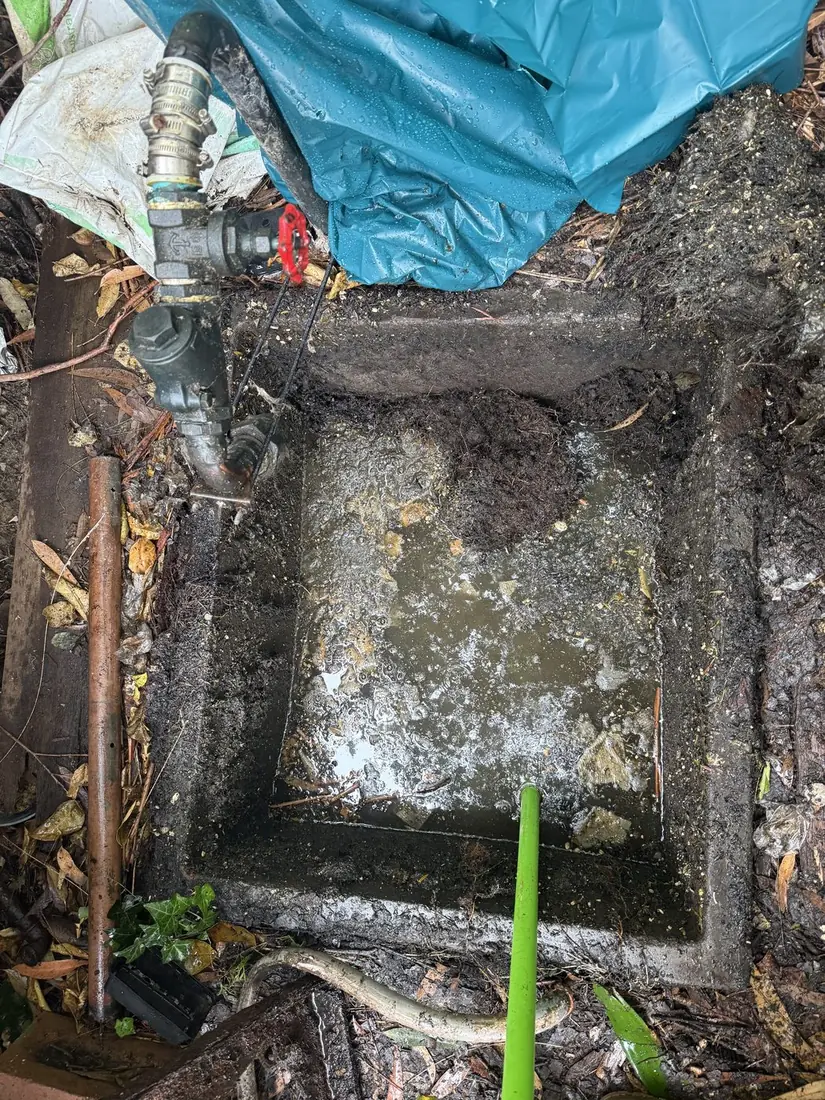
After this many decades of service, the wear points are well known — these are the faults behind most Mono callouts we attend.
The rubber stator wears like a tyre — slowly, then all at once. The pump still runs, but the rotor spins without gripping and the push fades away. A new stator brings the pressure straight back, and we fit them where parts are still viable.
The chrome plating on the rotor eventually wears through, and a rough rotor chews out every new stator you fit. If the stator's gone we always check the rotor with it — replacing one without the other is money down the pit.
These units sit above the pit with a motor driving the pump through a coupling, and after decades the coupling, bearings and drive components get sloppy. Vibration, noise and chewed couplings are the usual giveaways.
It's not just the stator — gaskets, seals and the rubber in the drive train all harden and crack with age. On a unit this old, one perished part is usually a warning about the rest of them.
Some of these pumps have been turning since before we started in 1985, and parts for the very oldest are getting thin on the ground. We'll tell you straight whether yours can still be supported before you spend money on it.
Many of the pits these systems were installed on are old fibre-cement tanks — and after decades in the ground they're prone to cracking, letting groundwater seep in and the system work far harder than it should. When the pit's gone, the pump cops the blame.
Alarm going off right now? See our pump alarm guide — or just call, we answer 24/7.
A Mono doesn't pump like a modern submersible. There's no impeller flinging water — instead, a helical chrome rotor turns inside a moulded rubber stator, and the cavities between them carry the waste forward in a steady, positive push. It's why these pumps could lift waste further than most of what replaced them, and why they ran for decades when looked after.
It's also why they wear the way they do. The rotor and stator are a matched pair in constant contact: the rubber stator wears like a tyre, and the chrome on the rotor slowly gives way underneath it. Worn stator — the pump runs but the push fades. Worn rotor — every new stator you fit gets chewed out early. That's why we check the pair together and replace both when the wear demands it; fitting one against the other half-worn is money down the pit.
If your Mono still runs but the pressure's gone, that's the classic stator complaint — and where parts are still available, it's a repair we do well. Book it through our pump repairs page or call us direct.
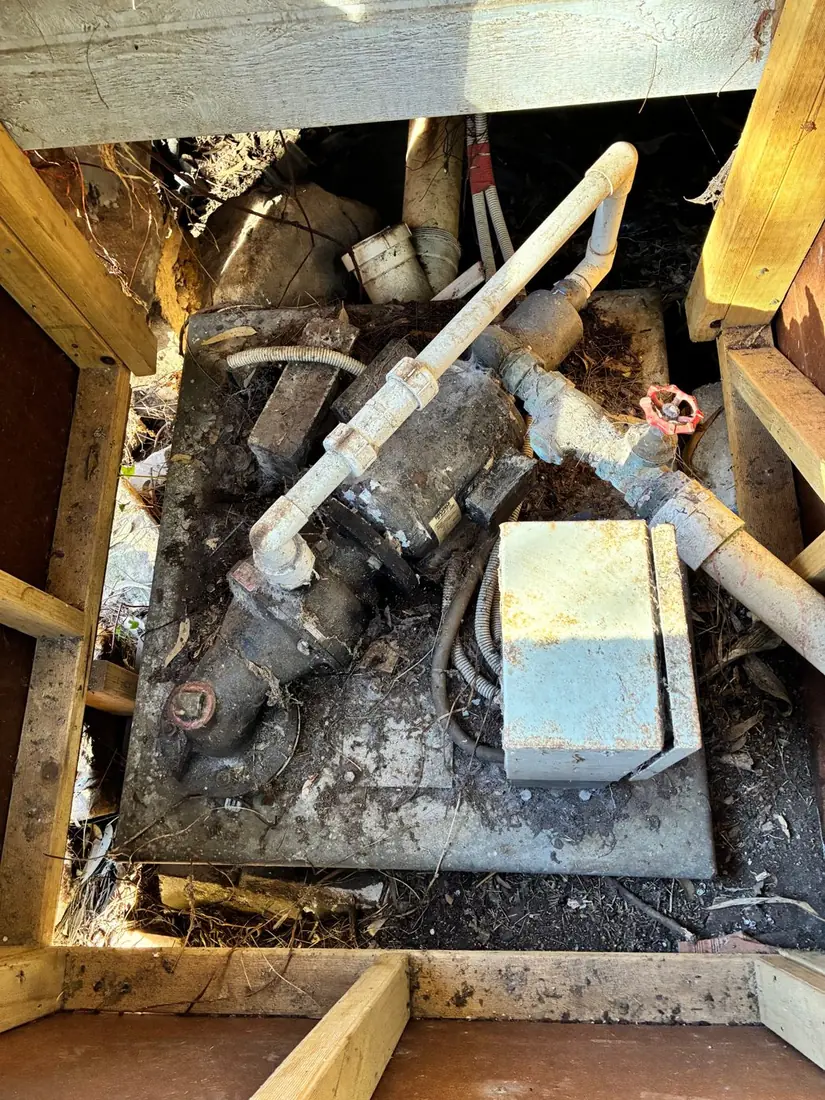
Old Mono losing its push? We'll tell you whether to repair it or retire it.
📞 0415 210 267Most trades have never seen a progressive-cavity pump, let alone pulled one apart. We've been working on these units since 1985 — from a routine service to the day it finally needs replacing, here's what that experience buys you:
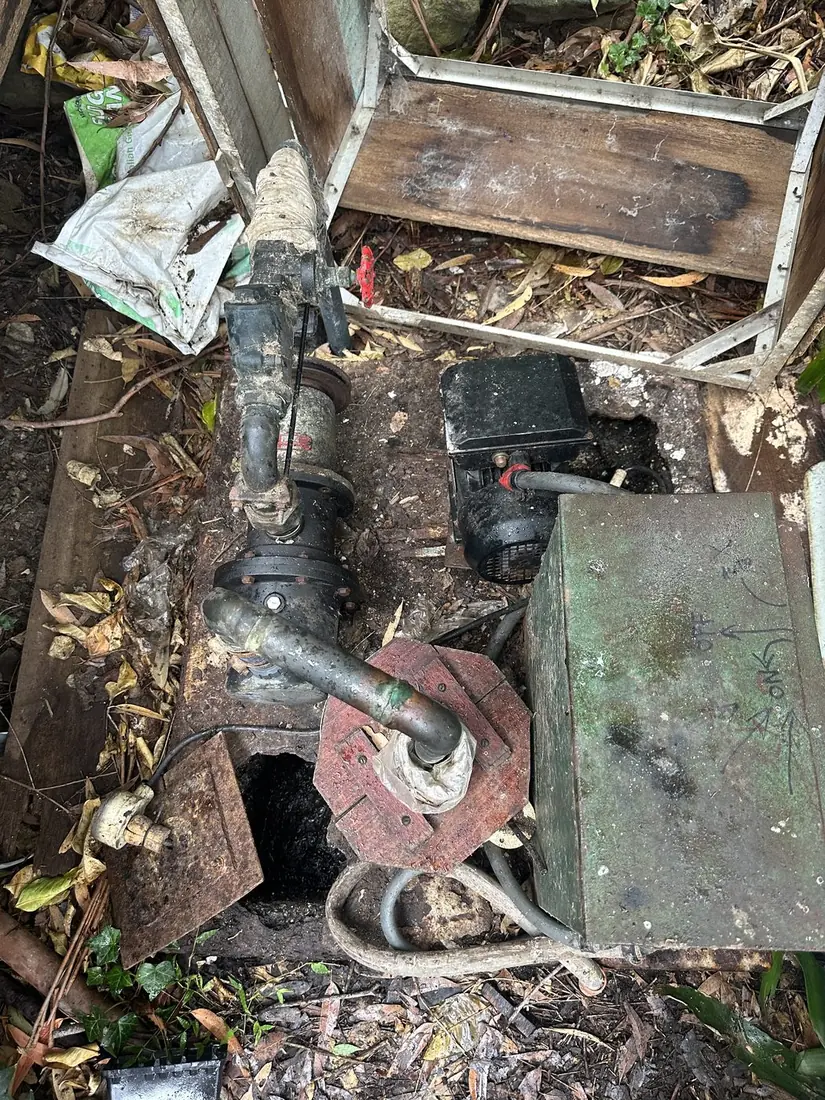
The pump is only half the story on these old systems. A lot of the pits installed in the Mono era are fibre-cement tanks — and after forty-plus years in the ground, fibre-cement gets brittle and cracks. Groundwater seeps in through the cracks, the pit never empties cleanly, run-hours blow out, and the pump on top gets blamed for a tank that's quietly failing underneath it.
The giveaways are a pit that always seems to have water in it, a pump that runs long after everyone's stopped using water, and alarms that fire in heavy rain on a sewer system that shouldn't care about rain. If the diagnostics on the pump come back healthy, the pit is usually the answer.
When a fibre-cement pit is past saving, we replace it with one of our custom fibreglass pits — manufactured to our own wall-thickness standard with gas-tight lids, built to last decades rather than cracking within years. Our pump pit installation page covers the full job: excavation, the new pit set, pump and pipework reconnected, recommissioned.
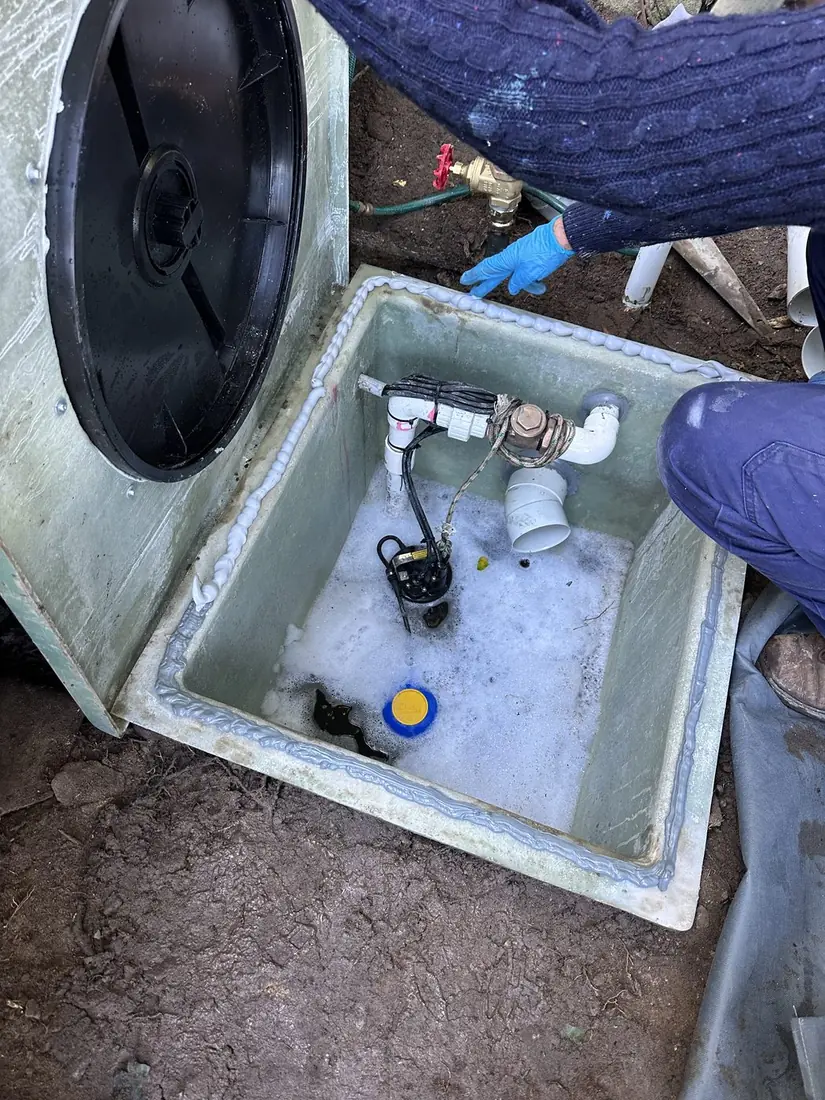
Pump work touches licensed plumbing, restricted electrical and confined-space entry — here's what backs every Mono job we sign off.
Sewer Pump Services operates under a current NSW plumbing contractor licence — licensed plumbing and drainage work, on record.
Plumbing and drainage work is carried out to the AS/NZS 3500 standard family — the benchmark for compliant work across Sydney.
Issued by NSW Fair Trading under the disconnect/reconnect framework (UEERL0004). We connect the pump and alarm, set up the control panel and fit the overload protection ourselves; your electrician runs the supply.
Statement of Attainment from Pinnacle Safety and Training (RTO 40496). Deep pits and confined spaces are part of the trade — most residential pits never need it, but when one does, we're set up for it.
Public liability and workers compensation cover in place across all work, with certificates of currency available on request.
A plumbing trade since 1985, pumps-only since 2010. You deal with the same operators from first call through to commissioning.
Straight answers about Mono pump service, repairs and replacement in Sydney.
Yes — and there aren't many left who do. The old above-pit Mono units were the bread and butter of older Sydney pump systems, and plenty are still turning. We service and repair them across Sydney: stators, rotors, couplings, seals and the motor on top, with megger and amp testing every visit.
Almost always the stator. A Mono works by a chrome rotor turning inside a rubber stator, and that rubber wears like a tyre — as it goes, the pump keeps running but gradually loses its grip on the water. A new stator usually brings it back to life, though if the rotor's worn too we replace both, because a rough rotor will eat the new stator.
It depends on what's worn and how old the unit is. A stator swap on an otherwise healthy pump is straightforward and worthwhile. But many of these units are genuinely at end of life — and if the rotor, drive and rubber components are all tired, you're better off putting that money toward a modern replacement. We'll give you the honest call on the day, not a sales pitch.
The usual path is a modern submersible — typically a Davey — sitting down in the pit instead of a unit perched on top of it. In most cases your existing pit and pipework are still sound and the new pump goes onto them; if the pit itself is past it, we sort that too. Our sewer pump installation page walks through the full process.
Yes, and it's a common part of these jobs. Many of the pits installed with the old Mono systems are fibre-cement, which gets brittle with age and cracks — letting groundwater seep in, so the pit never empties cleanly and the pump works overtime. The new pits we install are custom fibreglass with gas-tight lids, manufactured to our own wall-thickness standard so they last decades rather than cracking within years. See our pump pit installation page for what's involved.
We can still get stators and common components for many of the units we see, and we'll source what's needed for a repair that stacks up. On the very oldest pumps, parts supply is getting harder every year — if yours is one we can no longer support properly, we'll tell you up front rather than leave you waiting on parts that never come.
If you want to keep one of these old units alive, yes — regular servicing is what keeps them going. We check the stator's grip, the rotor, the coupling and drive, and put the megger on the motor, so wear shows up before the pump quits on you. See our pump servicing & maintenance page for what a visit covers.
Send your name, number and what's going on — we'll get back to you the same business day. For active flooding or sewage backup, please call instead.
Urgent? Call 0415 210 267 — 24/7.
Tell us how old the system is and what it's doing. We've worked on these units for decades — honest advice on whether yours has another chapter left, quoted before we start.